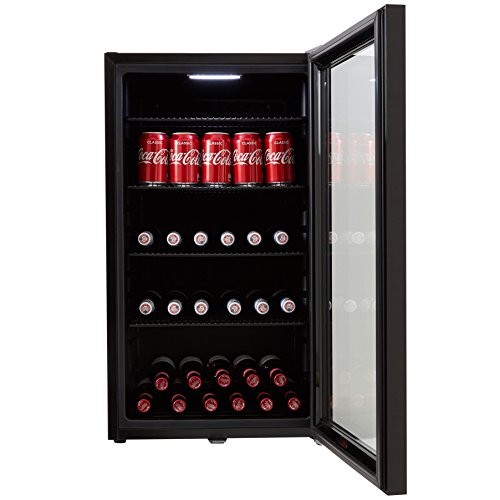
15 Up-And-Coming Hotel Mini Bars Bloggers You Need To Watch


The Evolution and Impact of Hotel Mini Bars: A Comprehensive Analysis
Hotel mini bars have been a staple of the hospitality market for years, supplying guests with a convenient and accessible way to delight in a cold beverage or treat from the comfort of their own room. Nevertheless, with the rise of changing consumer habits and technological developments, the conventional hotel mini bar is dealing with a considerable improvement. In Glass Door Fridges Frydge , we will explore the history and evolution of hotel mini bars, their influence on the hospitality industry, and what the future holds for this facility.
A Brief History of Hotel Mini Bars
The concept of a hotel mini bar go back to the 1960s, when a German company, Siegas, introduced the very first automated mini bar system. This innovative technology enabled hotels to offer visitors a choice of cooled drinks and treats, which were instantly credited their room expense. The mini bar rapidly ended up being a basic function in hotels worldwide, representing luxury and benefit.
The Golden Age of Hotel Mini Bars
Throughout the 1980s and 1990s, hotel mini bars reached the height of their popularity. They became a specifying feature of upscale hotels, offering a variety of premium drinks and premium snacks. Mini bars were seen as a way to enhance the visitor experience, providing a hassle-free and indulgent reward. Hotels would frequently use mini bars as a revenue stream, charging high rates for the products stocked.
Difficulties and Controversies
Nevertheless, the success of hotel mini bars was brief. As the years went by, guests started to feel that mini bars were overpriced and doing not have in range. The high costs of maintaining and restocking mini bars, combined with the increase of competitors from outside vendors, led many hotels to reconsider the worth of this facility.
Moreover, controversies surrounding mini bar charges and disagreements over billing errors tainted the reputation of hotel mini bars. Visitors would frequently discover themselves dealing with unforeseen and inflated charges, resulting in a loss of rely on the hotel's capability to provide a fair and transparent service.
The Rise of Alternative Solutions
In reaction to the challenges and debates surrounding standard hotel mini bars, many hotels have started to check out alternative services. Some have actually chosen a "maxi bar" concept, where a larger series of items are used at lower prices, while others have actually introduced "honor bars," where visitors can help themselves to drinks and treats and pay on an honor system.
The increasing popularity of in-room dining and online ordering has likewise resulted in a decline in mini bar sales. Guests are now able to purchase food and drinks from the convenience of their own room, without the need to count on the minimal selection provided by the mini bar.
The Impact of Technology
Technology has actually played a considerable role in the evolution of hotel mini bars. The introduction of automated mini bar systems, which utilize sensing units to find when an item has been eliminated, has reduced the requirement for manual checks and lessened disagreements over billing mistakes.
In addition, the increase of mobile apps and online platforms has actually allowed hotels to offer visitors a larger variety of alternatives, including in-room dining, online ordering, and individualized services. This shift towards digital options has further reduced the value of standard hotel mini bars.
The Future of Hotel Mini Bars
As the hospitality industry continues to develop, it is likely that hotel mini bars will go through a considerable transformation. Hotels will need to adapt to altering consumer habits and technological advancements, offering innovative and customized solutions that cater to the varied requirements of their visitors.
Some prospective patterns that may shape the future of hotel mini bars include:
- Personalization: Hotels may utilize information and analytics to tailor the mini bar choice to individual guest choices.
- Sustainability: Mini bars might include eco-friendly and locally sourced items, interesting environmentally conscious visitors.
- Integration with innovation: Mini bars might be integrated with mobile apps and online platforms, allowing guests to order and pay for products digitally.
- Wellness-focused options: Mini bars may offer much healthier snack alternatives and specialized drinks, accommodating the growing demand for wellness-focused services.
Frequently asked questions
- Why do hotels charge a lot for mini bar items?
Hotels charge high rates for mini bar items due to the high expenses of keeping and restocking mini bars, along with the need to produce profits from this amenity.
- Can I request a customized mini bar selection?
Some hotels may provide personalized mini bar choices, however this is not a standard practice. Guests can constantly ask for specific products or ask for suggestions from hotel staff.
- How do I prevent unforeseen mini bar charges?
Guests can avoid unanticipated mini bar charges by thoroughly evaluating their expense and reporting any inconsistencies to hotel personnel.
- Are hotel mini bars still pertinent?
While hotel mini bars are not as popular as they as soon as were, they still use a convenient and available method for guests to take pleasure in a cold beverage or snack. Hotels will likely continue to adjust and develop this feature to meet changing customer requirements.
Top 5 Trends Shaping the Future of Hotel Mini Bars
- Customization: Hotels will utilize data and analytics to customize the mini bar choice to individual visitor choices.
- Sustainability: Mini bars will include eco-friendly and locally sourced items, interesting ecologically mindful guests.
- Integration with innovation: Mini bars will be integrated with mobile apps and online platforms, allowing visitors to purchase and pay for products digitally.
- Wellness-focused choices: Mini bars will offer much healthier snack alternatives and specialty drinks, dealing with the growing demand for wellness-focused services.
- Personalization: Hotels will use customized mini bar choices, allowing guests to customize their experience to their individual preferences.
Conclusion
Hotel mini bars have actually gone through a substantial change given that their introduction in the 1960s. From their heyday as a sign of luxury and convenience to the existing obstacles and debates surrounding this facility, hotel mini bars continue to progress in response to altering consumer habits and technological improvements. As the hospitality industry continues to adapt and innovate, it is most likely that hotel mini bars will remain a staple of the hotel experience, albeit in a reimagined and renewed form.